Negotiating Minimum Order Quantities Without Damaging the Relationship
A minimum order is a supplier's risk calculation, not a rule carved in stone. Understanding what sits behind the number is what makes a smaller first order possible.

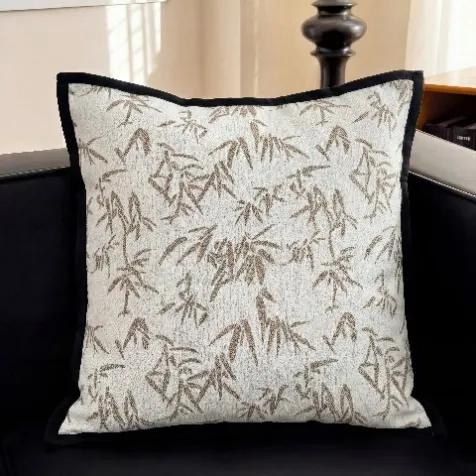
A minimum order is a supplier's risk calculation, not a rule carved in stone. Understanding what sits behind the number is what makes a smaller first order possible.
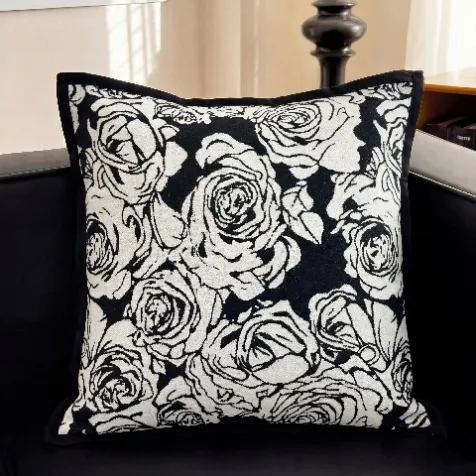
Two covers from the same order, washed the same way, ending up two different colours. The reason is usually decided in the dyehouse, months before you opened the carton.

Returns rarely come from one big fault. They come from four small mismatches between what a customer expected and what arrived. Each one can be closed before it happens.

The invoice figure is the smallest number in the calculation. What one cover really costs once it sits in your stockroom decides whether a season earns anything.

The inspection that happens before the container leaves decides whether you spend the next season selling or apologising. Here is what to look at, in order.

A step-by-step walk through a first sample order for cushion covers, plus the five problems that catch most first-time buyers and how to spot each one early.

Two printers quote the same artwork and the numbers look unrelated. Here is what actually drives the difference, and how to pick the method that suits your fabric and order size.

Two closures, two very different customer experiences. A practical breakdown of what each one costs you in returns, restocking, and repeat orders.

A practical look at what GSM means for cushion covers, why a heavier fabric is not automatically better, and how to match weight to the way your customers actually use the product.

Choosing cushion covers isn't just about following trends. Based on years of working with home decor buyers, here are a few practical lessons on selecting styles that actually sell ...