Jun 26, 2026News & Insights
How to Choose Cushion Covers That Actually Sell: A Simple Guide for Small Online Shops
Choosing cushion covers isn't just about following trends. Based on years of working with home decor buyers, here are a few practical lessons on selecting styles that actually sell ...
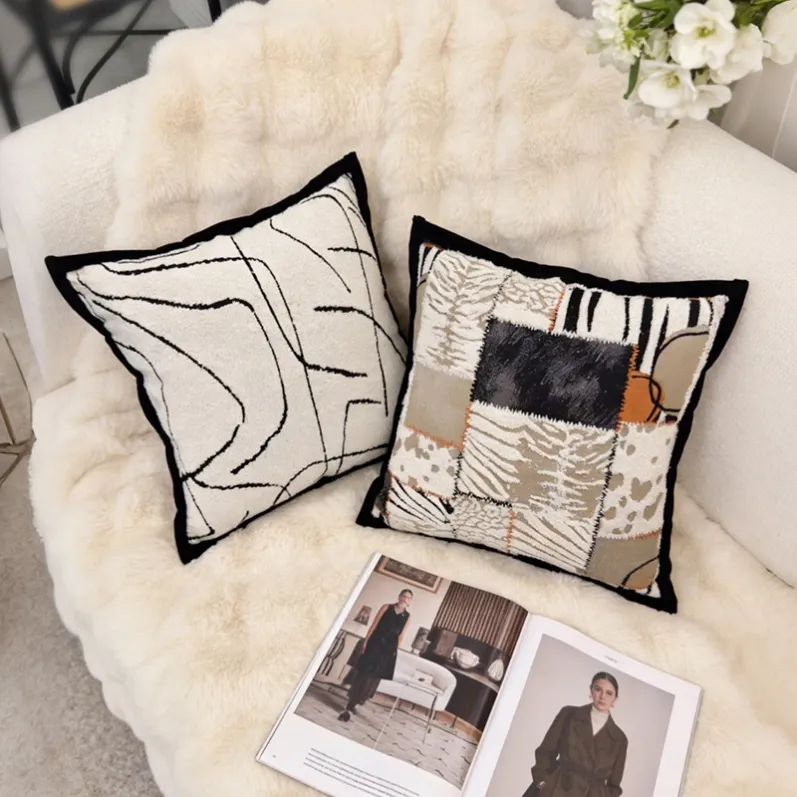
How to Choose Cushion Covers That Actually Sell: A Simple Guide for Small Online Shops
If I were starting a small home decor store today, I'd do things very differently
A few years ago, many small stores could get away with buying products simply because they looked trendy.
Today, that's much harder.
Customers have more choices. Social media moves faster. And most small businesses are much more careful about inventory than they were before.
I've seen online sellers order dozens of pillow cover designs they personally loved, only to find that customers weren't nearly as excited.
I've also seen simple neutral styles become repeat bestsellers month after month.
After working with buyers from different markets, I've come to a simple conclusion:
The cushion covers that sell best are rarely the most dramatic ones. They're usually the easiest ones to live with.
Start with your customer's home, not your own taste
This sounds obvious, but it's where many people go wrong.
When choosing new products, it's easy to think:
"Would I buy this?"
The better question is:
"Can most customers imagine this in their homes?"
A bright tropical print might look amazing in a product photo.
But a textured beige pillow cover works in hundreds of different living rooms.
That's why neutral tones continue to dominate sales year after year.
Not because they're exciting.
Because they're easy.
The trend right now isn't "more color"
It's more texture.
One thing we've noticed over the past few years is that customers are becoming more interested in texture than bold patterns.
Bouclé-inspired fabrics.
Soft woven surfaces.
Subtle raised details.
Velvet with depth.
These products photograph well, but more importantly, they fit into modern interiors without overwhelming the space.
Many people are moving away from heavily decorated rooms and leaning toward calmer, more comfortable environments.
The cushion market reflects that shift.
Don't build a collection around trends
Use trends as accents.
This is probably the biggest mistake I see small online shops make.
A trend appears on Pinterest or Instagram.
Everyone rushes to follow it.
Six months later, something new replaces it.
Instead of building an entire collection around what's trending, use trends to complement a stable foundation.
Think of it this way:
- 70% reliable core products
- 20% updated textures and colors
- 10% seasonal experiments
This approach usually leads to fewer inventory headaches.
Fewer styles often sell better
A lot of new sellers assume more options mean more sales.
In reality, too many choices can make buying harder.
Some of the most successful small collections I've seen are surprisingly simple.
A handful of neutral pillow covers.
A few textured pieces.
One or two statement designs.
That's it.
Customers understand the collection immediately.
And when customers understand something, they buy faster.
Think in combinations, not individual products
People rarely buy a beautiful sofa because of one cushion.
They buy the overall look.
When selecting cushion covers, try imagining them as a group.
For example:
- One textured cream pillow
- One soft olive green pillow
- One subtle printed accent
Together, they tell a story.
Individually, they are just products.
This is why lifestyle photos usually outperform plain product photos.
You're selling a feeling, not a piece of fabric.
Small quantities are becoming more important than ever
Another change I've noticed recently is how cautious buyers have become.
Inventory ties up cash.
Warehousing costs money.
And trends change quickly.
That's why many small retailers now prefer testing smaller quantities before making larger commitments.
It's not about being conservative.
It's about staying flexible.
The businesses that adapt fastest often outperform the businesses that buy the most.
Final thoughts
If there's one thing I've learned from working with home decor buyers, it's this:
Successful products don't always attract the most attention.
They fit naturally into people's lives.
When choosing cushion covers, focus on products that are easy to style, easy to understand, and easy to imagine at home.
The goal isn't to chase every trend.
The goal is to build a collection customers feel comfortable buying again and again.
Looking for cushion covers for your online store or brand?
At MILAILA, we work with small retailers, online sellers, designers, and growing home decor brands.
Whether you're looking for textured neutrals, printed collections, or flexible low-MOQ customization, we're always happy to exchange ideas and help you find styles that fit your market.