Oct 20, 2026News & Insights
Hidden Zipper or Envelope Closure: What Actually Matters When You Buy Cushion Covers
Two closures, two very different customer experiences. A practical breakdown of what each one costs you in returns, restocking, and repeat orders.
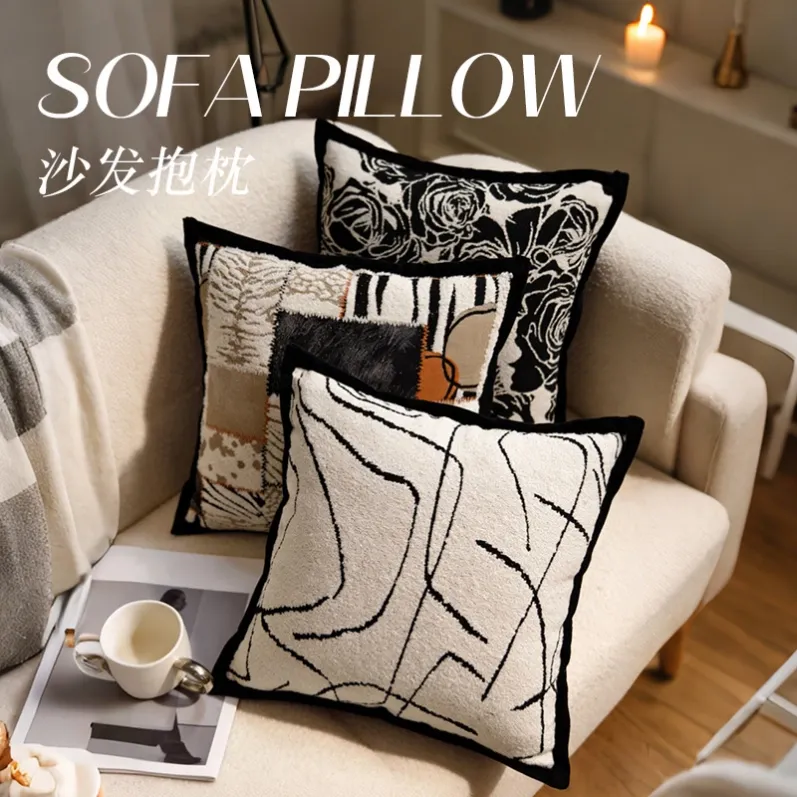
A customer buys two cushion covers. One goes on the sofa and stays there. The other comes back three weeks later with a broken zip, or with the insert poking out of the corner because the flap never sat flat.
Same fabric. Same price. The difference was decided months earlier, when someone chose the closure.
The return you did not budget for
For a small shop, one returned cushion cover is not one lost sale. It is the courier both ways, the repacking, the admin time, and often a refund you grant just to close the conversation. Do that five times in a season and the margin on that line is gone.
Closures are one of the quiet causes. Not the fabric, not the print. The bit nobody photographs.
What a hidden zipper actually gives you
A hidden zip sits in a folded seam, so from the front you see a clean edge. That matters more than it sounds. It is the difference between a cover that looks considered and one that looks like it was made in a hurry.
The trade-off is at the making end. A zipper needs to be sewn straight, the pull needs to be tucked, and the opening has to line up with the seam allowance. When that goes wrong, it goes wrong visibly: a pucker, a wavy edge, a zip that catches halfway.
For anyone selling at a price point where the customer expects a finished product, this is usually the right call. Hotels, boutique retail, and gift buyers tend to expect it because it is what they see in the market they compare against.
What an envelope closure gives you
An envelope back is two overlapping panels. No zip, no metal, nothing to break. The insert slides in and the overlap holds it.
In the wash it is the more forgiving option. There is no zip tape to shrink differently from the fabric, and nothing to snag. For a product aimed at households that wash covers often, that is a real advantage.
The catch is shape. With a soft insert and a loose fill, the back can gape. With a firm insert it usually sits fine. So an envelope back is not simply the cheaper option. It is the option that depends on what goes inside.
The question worth asking before you order
Not which one is better. Which one fits how your customer uses the product.
If the cover is decorative and mostly stays on the sofa, the hidden zip earns its cost. If it is going into a rental property or a family home where it will be washed every few weeks, the envelope back tends to cause fewer complaints.
If you are selling to hotels or to a buyer who will resupply a chain, ask them directly. They usually know exactly what fails in their laundry. That one question has saved more reorders than any catalogue photo.
A quick way to decide
Order a small pilot. Put one of each through a normal wash cycle, twice, and look at the seam. Then hand both to someone who has never seen them and ask which one looks more expensive.
That exercise costs almost nothing and tells you more than a spec sheet. It also gives you something to say to a customer who asks why one cover costs more than another.
If it helps, start with a small quantity of both and let your own sales data settle the argument. A pilot order is cheaper than a season of returns.
Look at the range in our catalogue, or send us your brief and we will quote both closure options so you can compare them side by side.