Oct 26, 2026News & Insights
Colour Fastness: Why the Same Batch Looks Different After Two Washes
Two covers from the same order, washed the same way, ending up two different colours. The reason is usually decided in the dyehouse, months before you opened the carton.
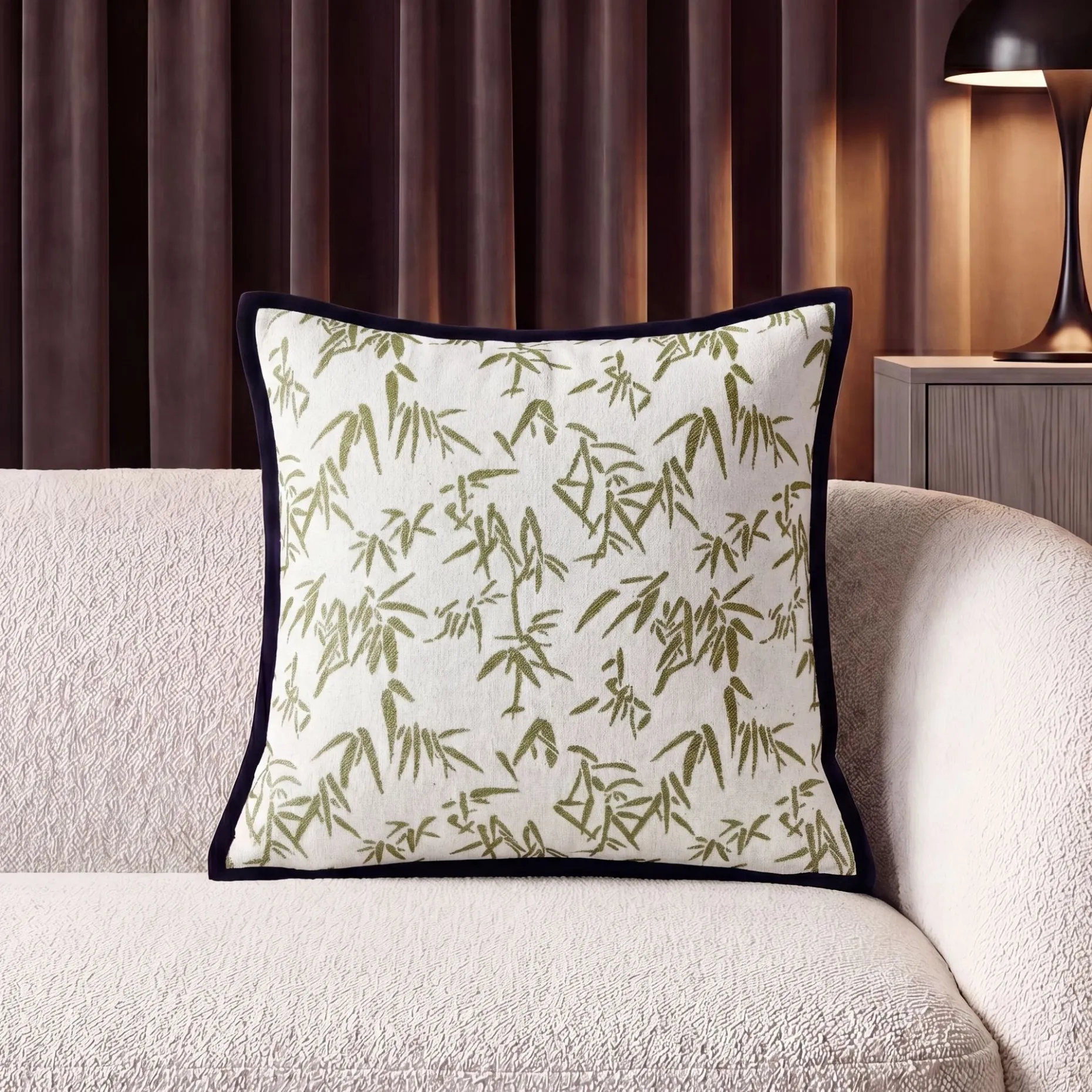
A customer buys two cushion covers. Both are the same colour on the day they arrive. Three washes later they are not, and the customer photographs them side by side.
Nothing was wrong when the goods left. The difference was built in before they were packed, and it only shows once water and heat get involved.
Two different things are being measured
Colour fastness is not one number. It is a set of separate tests, and each one answers a different question about what will happen to the fabric.
Wash fastness asks how much colour leaves the fabric and how much transfers to whatever is washed with it. Light fastness asks how the colour holds up sitting near a window.
Rubbing fastness, sometimes called crocking, asks how much colour comes off on a dry or damp cloth. For a cushion that gets sat on and moved daily, this one matters more than buyers usually expect.
Why one batch can differ from another
Dyed goods are made in lots. A new lot means a new mix, and small differences in water, temperature, time or dye concentration move the final shade.
This is why two covers from different lots can be the same nominal colour and still not match. If you order once and reorder later, the second batch is a different lot.
Ask whether the mill confirms shade against your approved reference for each lot, not just the first one. Ask what happens if a lot falls outside that reference.
Where the colour actually leaves
Colour loss is rarely even. It shows first at the edges, along a seam, or where the fabric folds. Those are the areas that take the most abrasion.
If a customer reports fading, ask where. A patchy result at the fold points in a different direction than an overall shift, and the answer changes what you should fix on the next order.
Wash temperature matters as much as the dye. A cover tested at a cool wash and washed by the customer at a hot one is being judged against a standard nobody applied.
How to check before you commit
Wash a sample twice at the temperature your customer will use, then compare it to an untouched piece from the same batch. Same batch matters, or you are testing two variables at once.
Then hold a damp white cloth and rub it firmly across the face. Whatever transfers onto the cloth is what will transfer onto a pale sofa.
Keep the washed sample. It becomes your reference for the reorder, and it is the only way to tell whether the next batch is genuinely the same as the last.
What to write down
Record the wash temperature you tested at, the number of cycles, and whether the result was acceptable to you. A note saying only that the sample was fine tells the next person nothing.
If a shade shift is acceptable for a low-cost line and not for a premium one, say which is which. A single standard applied to both ends of a range will either overcharge the cheap line or disappoint the expensive one.
If you want the fastness position of a fabric before you place an order, ask us which tests a style has been checked against and at what wash temperature.