Oct 25, 2026News & Insights
Four Reasons Cushion Covers Come Back, and What Stops Each One
Returns rarely come from one big fault. They come from four small mismatches between what a customer expected and what arrived. Each one can be closed before it happens.
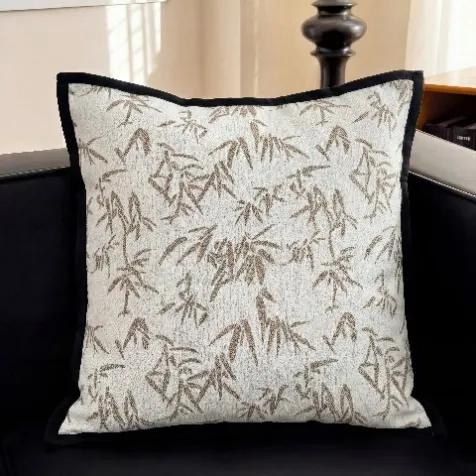
A returned cushion cover almost never arrives with a note explaining the real reason. The form says "not as expected". The truth is usually smaller than that.
Four mismatches account for most of it. All four can be closed before the customer opens the parcel.
One: the colour was different from the screen
A customer sees a picture on a phone, in a room with a warm bulb, at night. The cover arrives and reads cooler, or deeper, or simply not the same.
This is not a fault in the product. It is a gap between two lighting conditions. The fix is expectation, not fabric: a photograph that shows the colour next to something familiar, and a line of copy that says the screen will not match exactly.
Sets make it worse. If a customer buys two covers expecting them to match and one reads slightly off, both come back. Photograph sets together, in the same light, in the same frame.
Two: the size was right and the cover still did not fit
A customer measures their insert, buys the matching size, and finds the cover tight or loose. The cover was the size stated; the insert was not.
Inserts vary. Two cushions that both claim the same dimension can differ in how full they are, and a cover made for a firm insert looks slack on a soft one.
Say what the cover is sized for. A short line about insert fullness prevents a conversation that otherwise takes four messages and ends in a return.
Three: the fabric felt wrong in the hand
Photos show colour and pattern. They do not show weight, drape or texture. A cover that looks rich in a photo can feel thin in a hand, and customers return on touch far more often than on sight.
Describe the hand, not just the look. Words like crisp, brushed, dense or fluid do work that a photograph cannot. If you can, offer a swatch before the order rather than after the complaint.
Swatches also settle the colour question in the same move, because a customer holds the fabric in their own room, under their own light.
Four: the cover did not survive the first wash
A cover goes into a washing machine at the temperature the customer always uses. It comes out shorter, or the seam puckers, or the colour moves against the insert.
Most of this is decided long before it reaches the customer: how the fabric was pre-treated, how the seam allowance was cut, whether the zip tape behaves like the shell.
Test the wash before you commit to a supplier, not after a season of complaints. Wash a sample twice the way your customer will, then measure it. That test costs almost nothing and it is the only honest answer.
The cheapest return is the one that never ships
Every one of these four is closed by information, not by a better product. A colour note, an insert note, a description of the hand, and a wash test result.
None of them takes long to write. Together they remove most of the reasons a customer sends something back, and they cost nothing to add to a product page that already exists.
If you are building a range and want the details that prevent returns settled before you order, ask us for the fabric and construction notes behind each style.